I'm a big Calvino fan and can thoroughly recommend Cosmicomics as a great collection of shorts. If you enjoy Calvino you may also enjoy Labyrinths by Jorge Luis Borges.
Gave it a shot and seems really nice and lightweight. Tried running it off the example blog but suddenly all the collections just disappeared. Even though everything was in git.
Will keep trying it out but will obviously not do anything production worthy until it's a bit more stable and thoroughly tested.
Yes, at this stage I wouldn't advise anyone to try using this in production, it's the first version of a side project after all. But I'm really surprised by the response so far. I'll definitely keep improving it.
Let me know if you manage to figure out what went wrong, and if you get any error messages/logs. I'm available on twitter @AndreVitorio
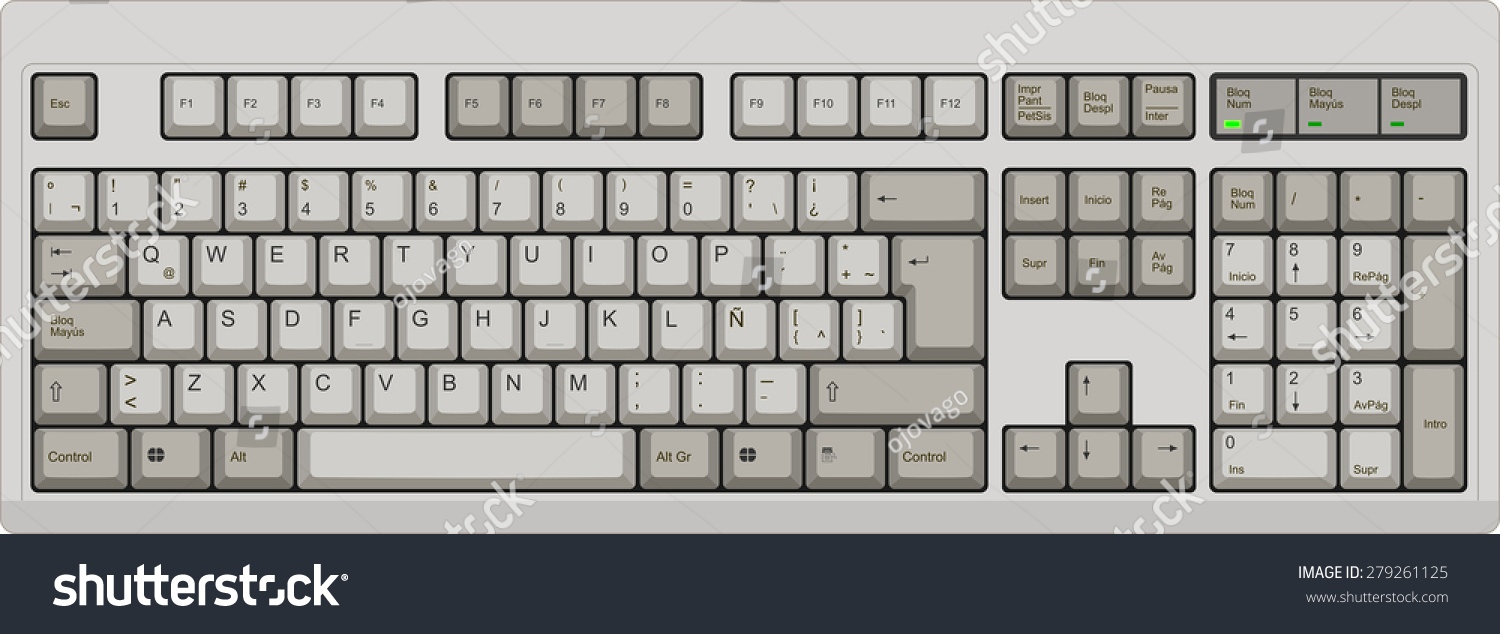
Can someone elaborate on why Vim doesn’t work well on non-english keyboards.
I use Vim occasionally using a Nordic layout but would like to know why English is superior.
On a Latinamerican keyboard (yet, that's a thing), the brances are not as convenient. IIRC, the ~ symbol isn't even around. Semicolon is shift+right right finger -- super odd compared to just pinky. And ^ is behind right-alt (the one in the photos shows where, but many don't actually have it printed on the keycap).
I'm a nordic-layout user as well and whenever I look at the actual differences side-by-side I get reminded about how much easier it would be to code if I had all those symbols that close.
I grew up with the Icelandic layout. When I started programming professionally I taught myself the en-us layout and stared using that instead. It is much easier on my hands and fingers; it really does show that the people who came up with the syntax for most of the programming languages in use picked things that were easy to type on a US layout and didn't give any thought to the rest of us.
I’d love to know what the result might have been if they gave some thought to the rest of you. And if a person is designing a programming language syntax, I don’t see why keyboards that are foreign, even unknown, to them merit much consideration.
BTW I really don’t think the en-us layout is actually nice on hands and fingers. All the programming symbols are a stretch. I now use Karabiner to make easy key-chords for all the symbols, e.g. f-j is ( and f-k is ).
I do not think there's a particularly feasible way to facilitate every keyboard layout out there, so it makes sense that they are at least built with one keyboard layout in mind, much like I think it makes sense that programming in general is overwhelmingly done in English. It increases interoperability significantly.
I tried that once, but already back then my muscle memory wasn't having it. Now I'm too old to put down the required hours to relearn and get back up to speed.
Here's some advice from a Norwegian who programmed in Vim for years on the nordic layout: do yourself a favor and get an American keyboard ASAP. The brackets alone are worth it.
It's really not, so long as you map hjkl to the appropriate key sequence on your keyboard. Everything else is based on mnemonics, not locations, so I is just I.
Maybe some stuff might be quicker because it's on the first layer, but if it's so bad you can map those specific keys.


- Raycast Pro
- Proton (mostly for mail and pass)
- Deezer
- Instapaper Premium
- Feedbin
Paid by my employer:
- Windsurf (but might try something else)
- OVPN