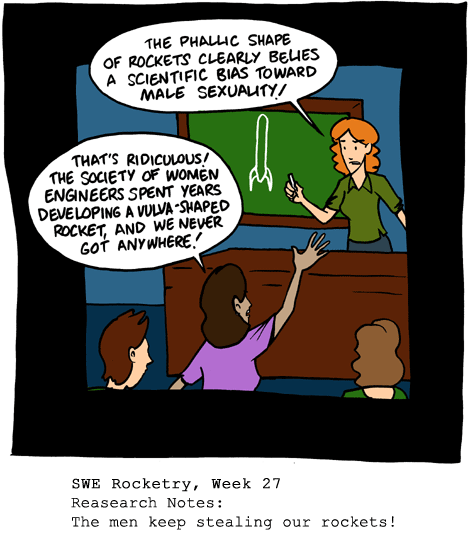
Shorter Rao: Just as one hopes to have pudding when one's eaten one's meat; one hopes to have Dionysian contraptions glitching in gaps between the smooth stainless steel surfaces of Apollonian designs?
The mode I'd intended depends upon if you prefer your sociopath donkeys with or without midichlorians: in the former case, he keeps to himself during the period covered by AF due to the Rule of 2; in the latter case, those beds the pigs are fond of sleeping in might just wind up with Mr. Whymper's head in them one day.
That sure puts "founder mode" gripes in perspective — Napoleon was trying to run an empire, yet externally not only did he have General Winter as an enemy, but internally he couldn't even leave his direct reports alone unsupervised without them getting into each others' wives' beds.
Bessières showed himself to advantage on the latter point because not even his wife was aware of his affair (apolitically with an actress) only discovering it when going through his papers to settle his estate. After a quick glance at his fr.wikipedia page, it seems Bessières may have been a good example of a successful "bigcorp hire"[2]: lacking the audacity and prowess of the other Marshalls[3], he made up for it by staying out of trouble and staying loyal. (the latter point, and Bessières having left no fortune, suggests he may even be placed among the clueless?)
[0] probably not, if i stick to the optimal interpretation that Old Ben is Orwell incognito. (Jura & the pistol under pillow could well be merely prudential, but i dont see it)
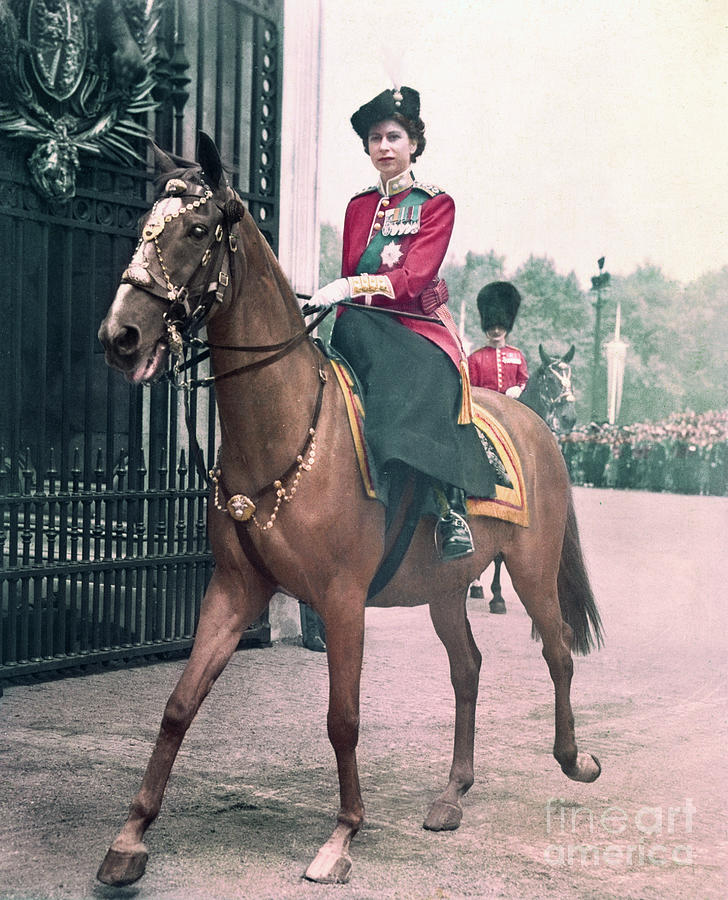
Gotta drop the discreetly placed marshal’s baton angle for now since i cant even find a half decent example pair lol
i recall a soviet movie whose title was something like “King and Cartman” but i can somehow neither find it nor recall the romantic era poem that it was based on
Pace Seibel, one of my conspiracy theories is that the "Smuglyanka Moldavanka" was not moldavian, but from the Moldavanka neighbourhood of Odesa (as he is now).
Sir William, had he been in Uncle Sam's service, would've been a "mustang": the DoD equivalent of a brumby (and apparently uncommon —to the point of uniqueness?— in His Majesty's service).
Whether this was general policy[0] or specifically due to his Achilles' Heel[1] (the dutch say "now the ape['s arm] comes out of the cuffs") is difficult to discern from a single article, however.
[1] Certainly.. this part of the photoop was deeply unappealing to the recovering Victorians..? did you notice he was more of a cunning linguist, having had to fall back on his translation skills more than once in his career? (having first signed on as a cavalryman)
It makes perfect sense that a Caesar wouldn't trust anyone who seemed to be "sleeping on sticks and tasting gall" (臥薪嚐膽); armed rebellions are expensive, and someone who (by stock and flow analysis) clearly can't build up a war chest or hire spies or corrupt your guys can be trusted to the extent that they won't do much harm whenever they ultimately betray that trust.
In very early feudal days, a king would wander around his kingdom with his retinue, using up each vassal's surplus in high living, and then moving on to the next.
Louis XIV is credited with flipping that script: by running an extravagant court, he made sure that (even if his vassals themselves had to return to their own properties to administer them from time to time) their wives and children were close to the court, and a good portion of the revenue from their properties was flowing towards Versailles to support the court life to which they all had become accustomed.
In Victorian days (in addition to commissions having been bought, not awarded) the posher cavalry units also used to apply a variation on this principle: setting unit mess dues higher than the army salary effectively kept the riff-raff out.
In our days I've heard a VP Sales explicitly say he likes his top producers to have expensive hobbies, because it keeps them hungry (and working for him; they might get poached by an established rival, but they're highly unlikely to go to a startup and work for relative peanuts).


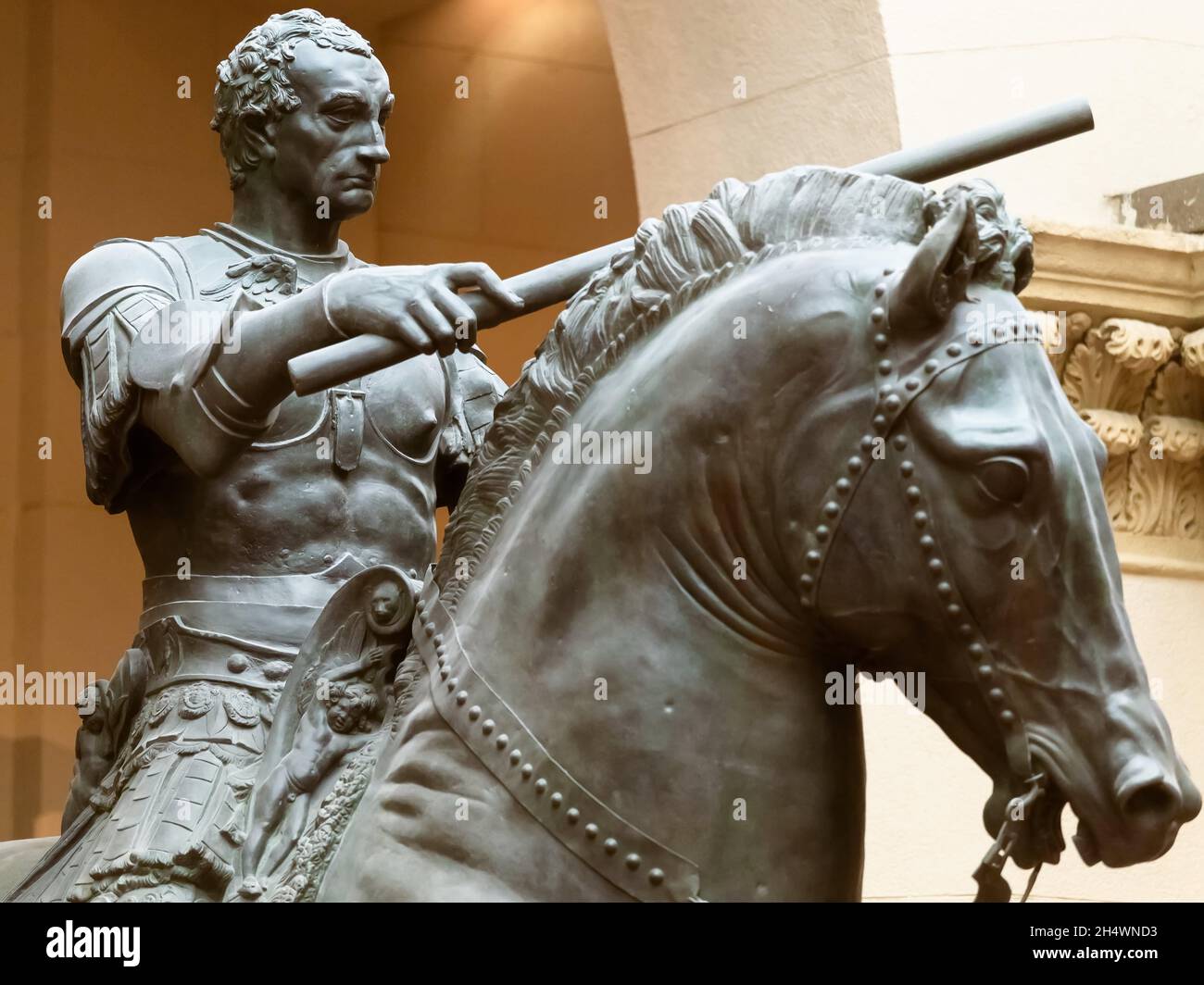
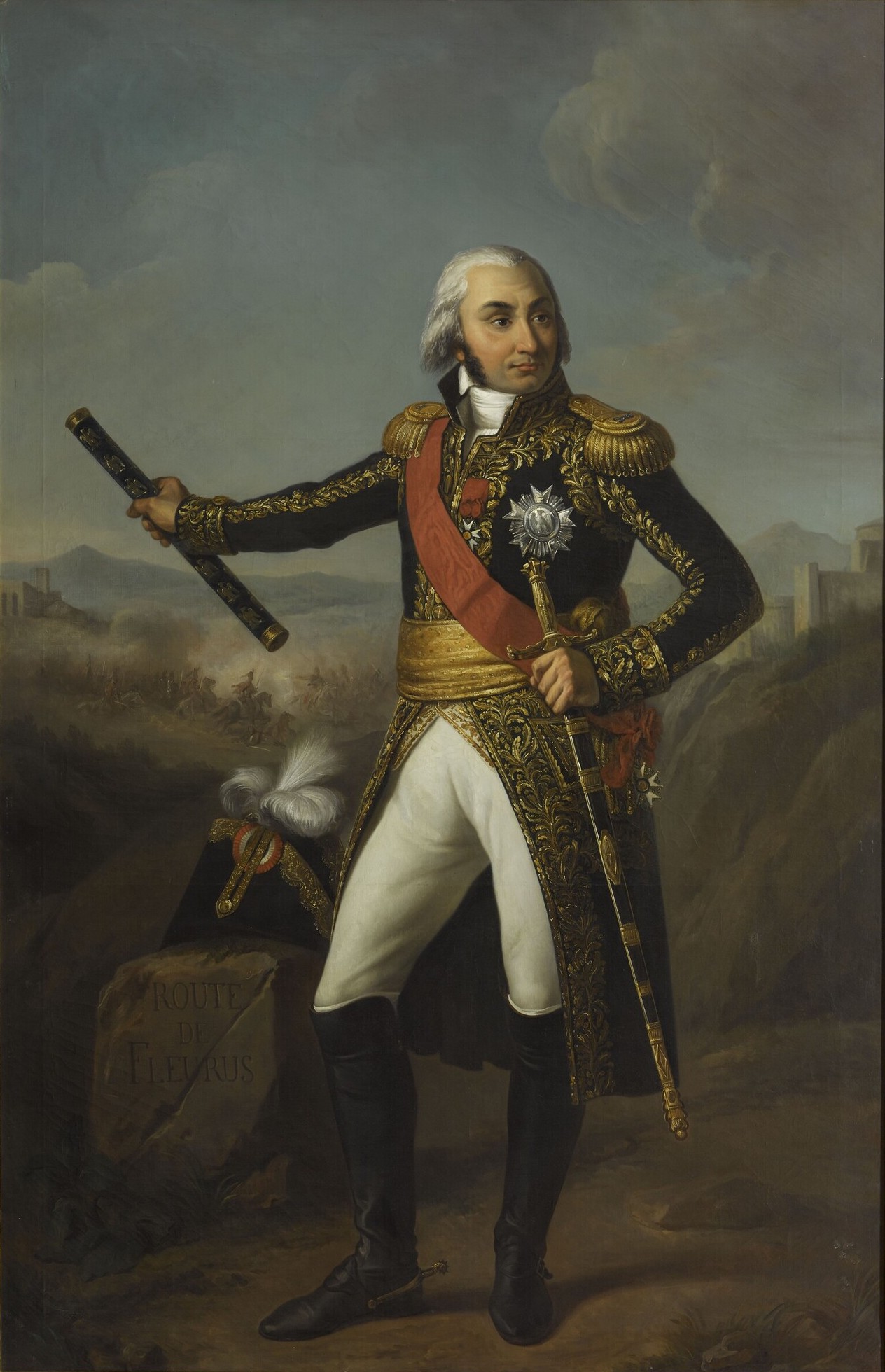

:max_bytes(150000):strip_icc():focal(592x339:594x341)/prince-charles-princess-diana-polo-081722-b3689a859bbc49abb12e804004dfb00f.jpg)
:max_bytes(150000):strip_icc():focal(428x0:430x2)/queen_elizabeth_horse_858-a4f62316014440a691c074eedff087af.jpg)